
Video
How to Read a Car Repair Estimate, Line by Line (Parts, Labor, Fees)
Summary
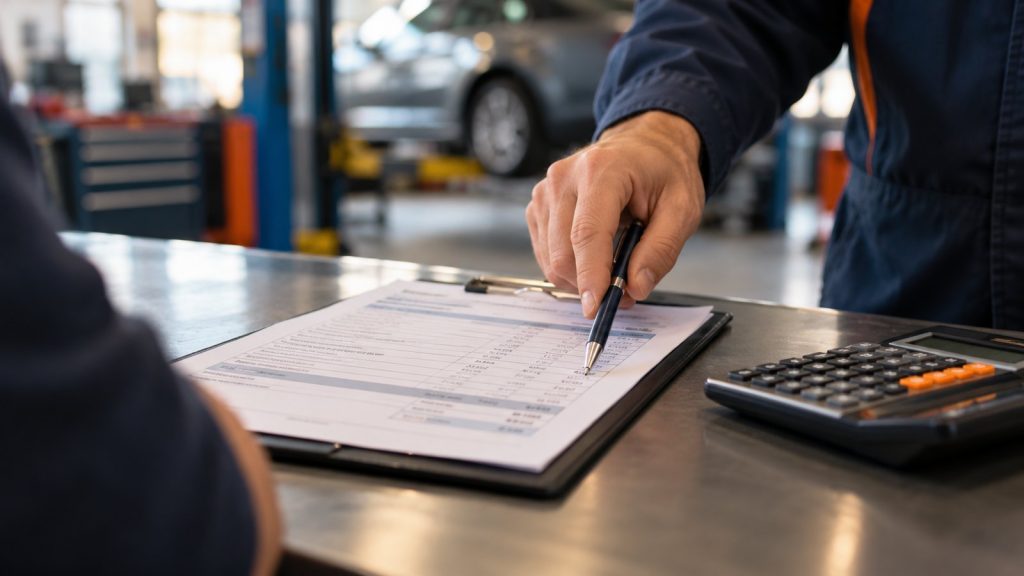
An estimate can look like another language. This video walks through every line of a repair estimate: the description, the parts, the labor and the other fees, so you know what you are paying for before you say yes.
Key points
- Get it in writing: in California, the Bureau of Automotive Repair says you are entitled to a written estimate before any work begins. A number over the phone isn’t enough.
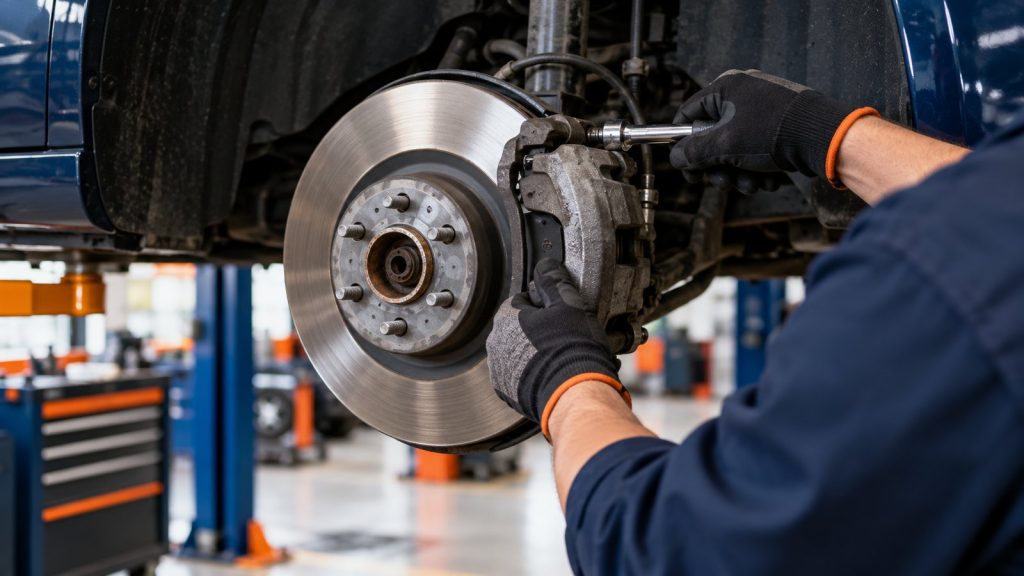
- Description: it should say what is being fixed in words you understand. “Replace front brake pads” is specific; “brake service” is vague.
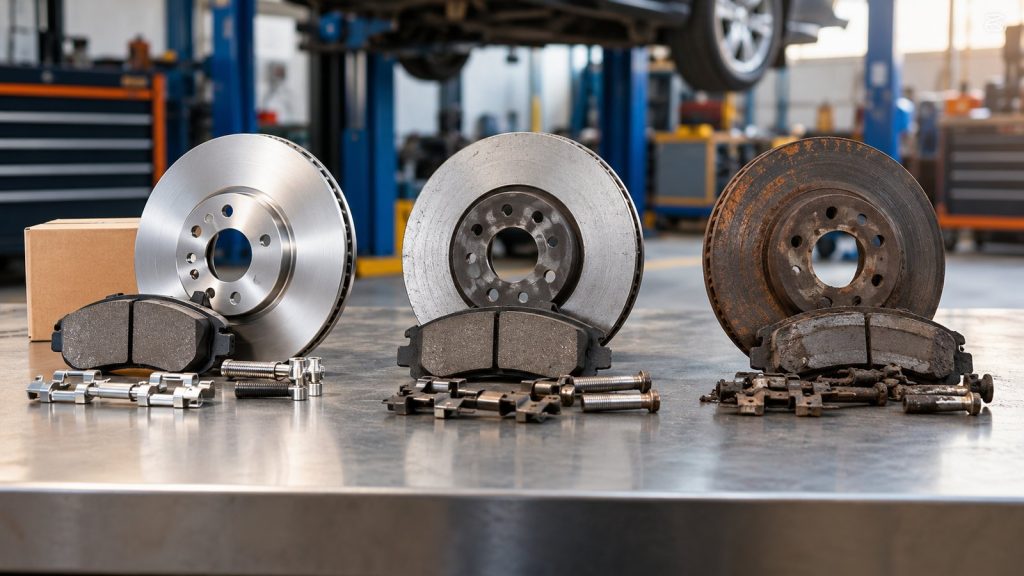
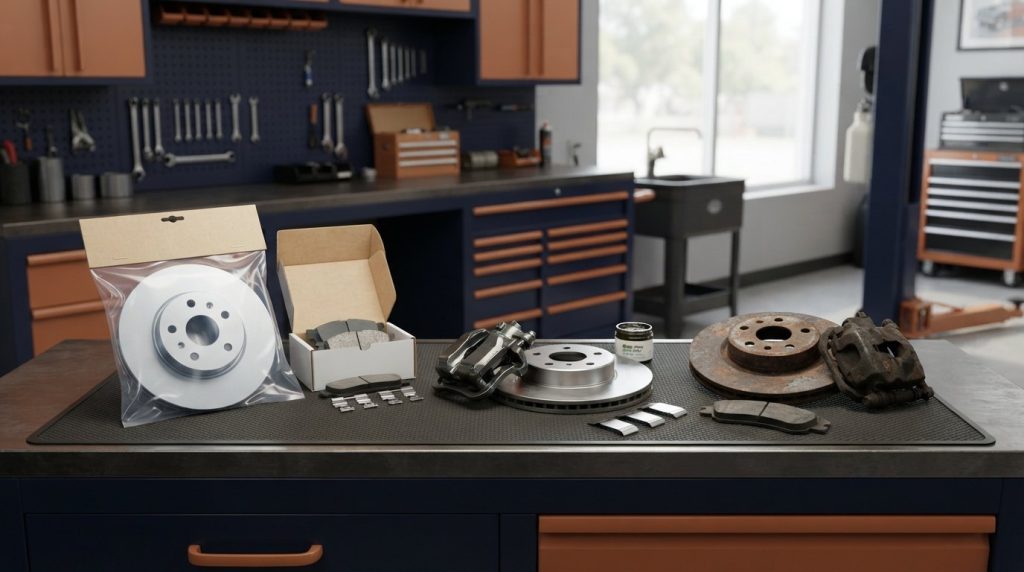
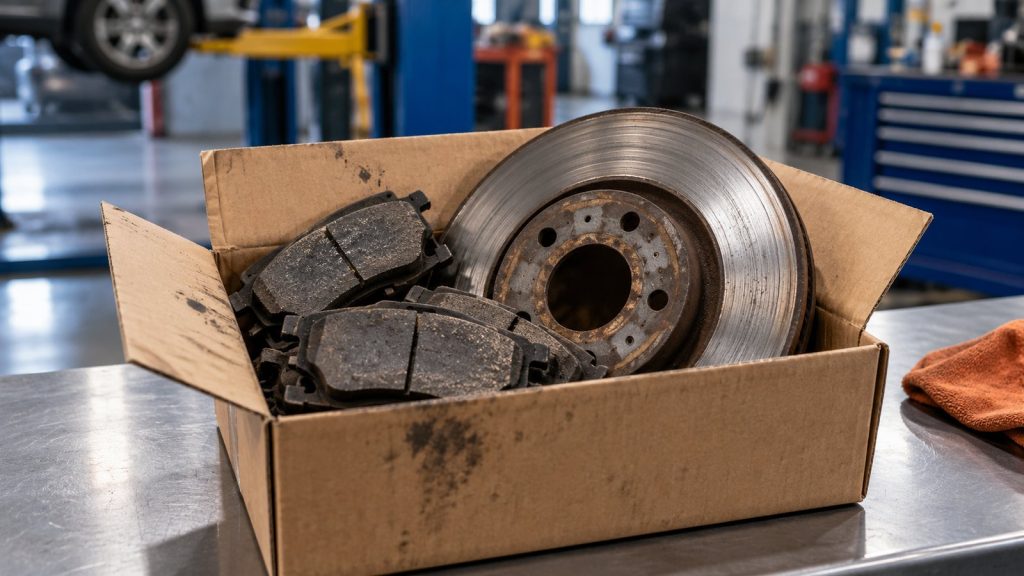
- Parts: the FTC says parts can be new, rebuilt or salvage. Ask which kind is on your estimate and whether the price reflects it.
- Labor: the FTC describes two ways shops charge. Flat rate means a guide sets the hours for the job; actual time means you pay for the time the technician really spends. Ask which one your shop uses.
- Other fees: look for diagnostic charges and anything labeled supplies or miscellaneous, and ask what any vague fee covers.
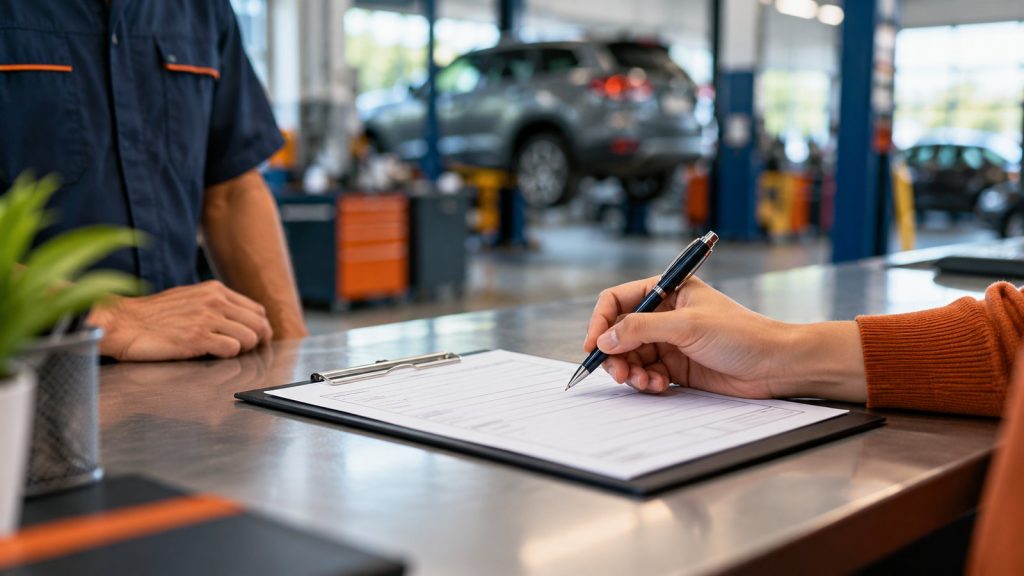
- Before you sign: never sign a blank work order. In California, the shop needs your authorization before doing extra work beyond the estimate.
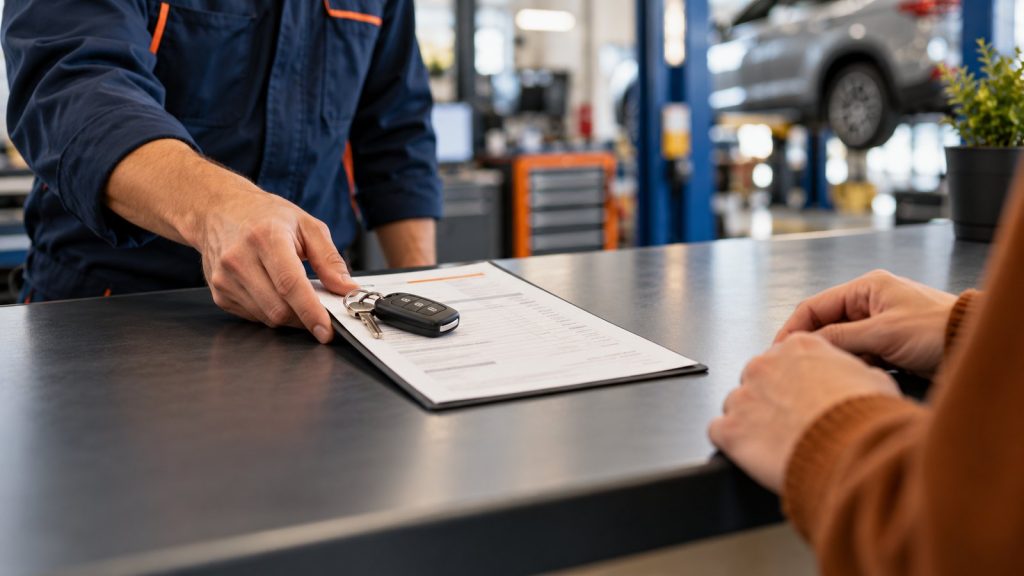
- Old parts and the final invoice: in California you can ask for your old parts; ask before the work starts. The final invoice should list every part replaced and show the labor cost.
- Warranty: California’s Bureau of Automotive Repair guide says shops aren’t required by law to guarantee their work, though many do. Ask what yours offers and get it in writing.
- Complaints: in California, complaints go to the Bureau of Automotive Repair at bar.ca.gov.
Legal points on this page are California’s, and rules vary by state. Prices and practices vary by shop. General information only, not legal or professional advice. This video uses an AI-generated voice and images.
Shorts from this video
Images from this video
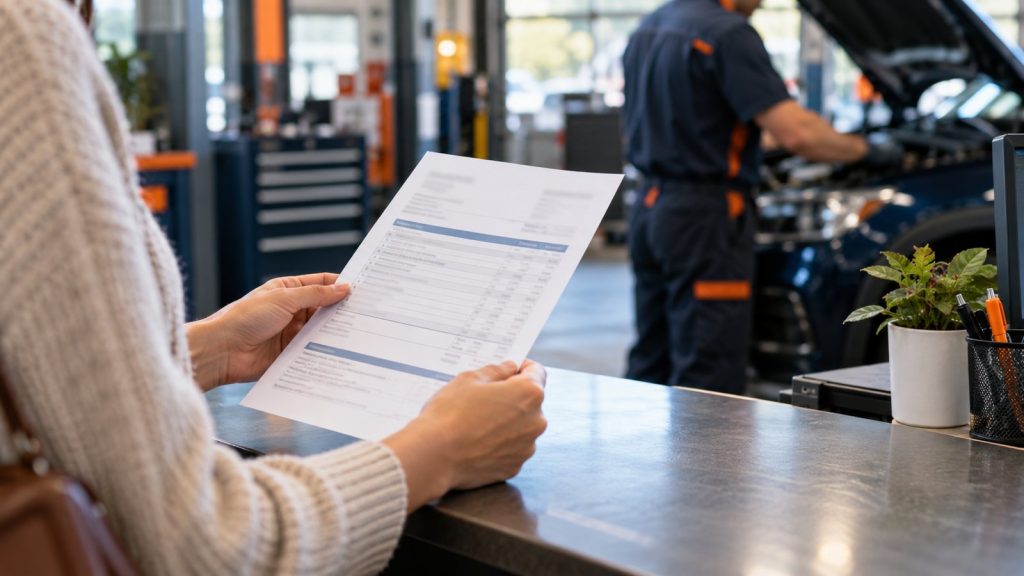
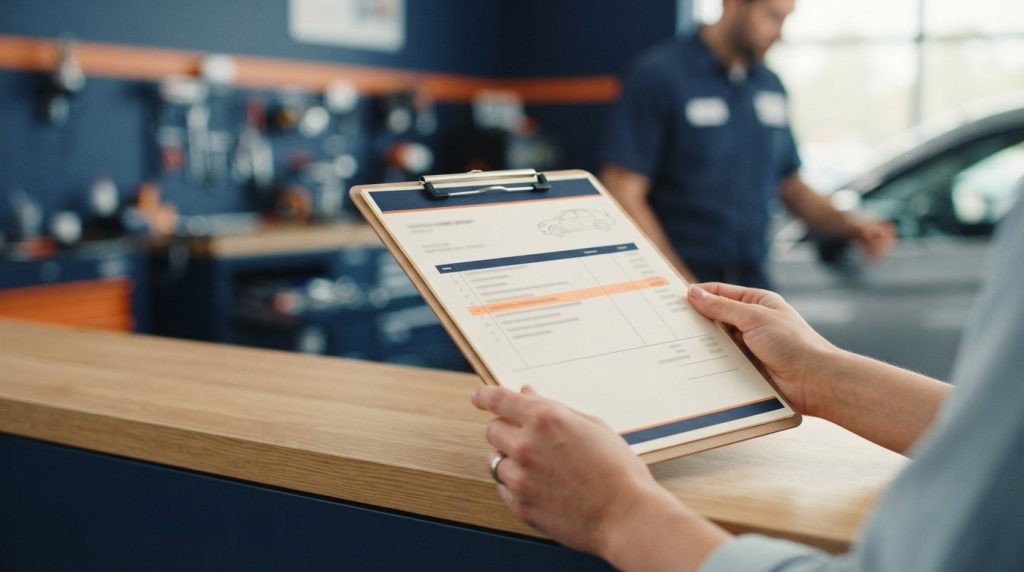
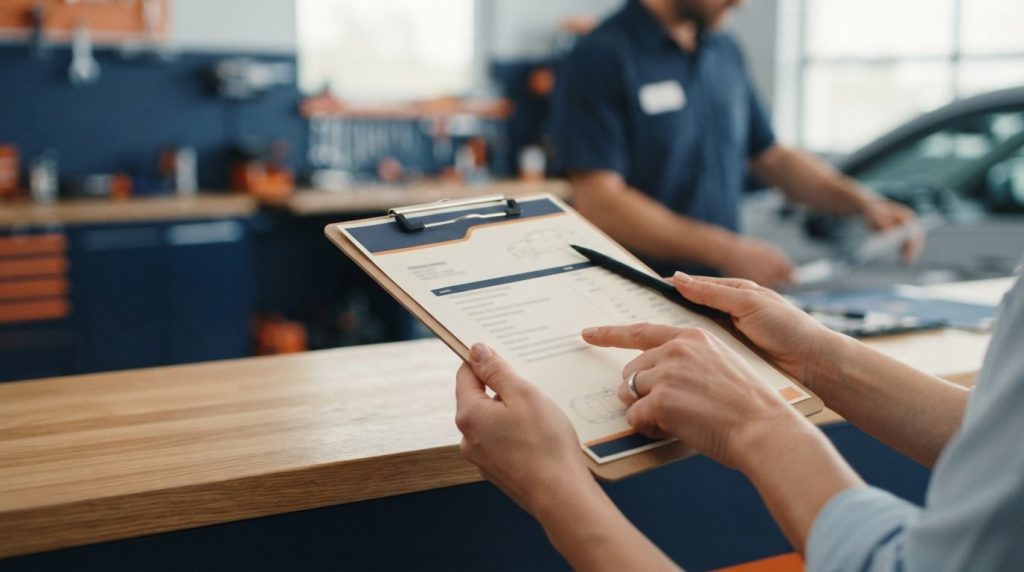
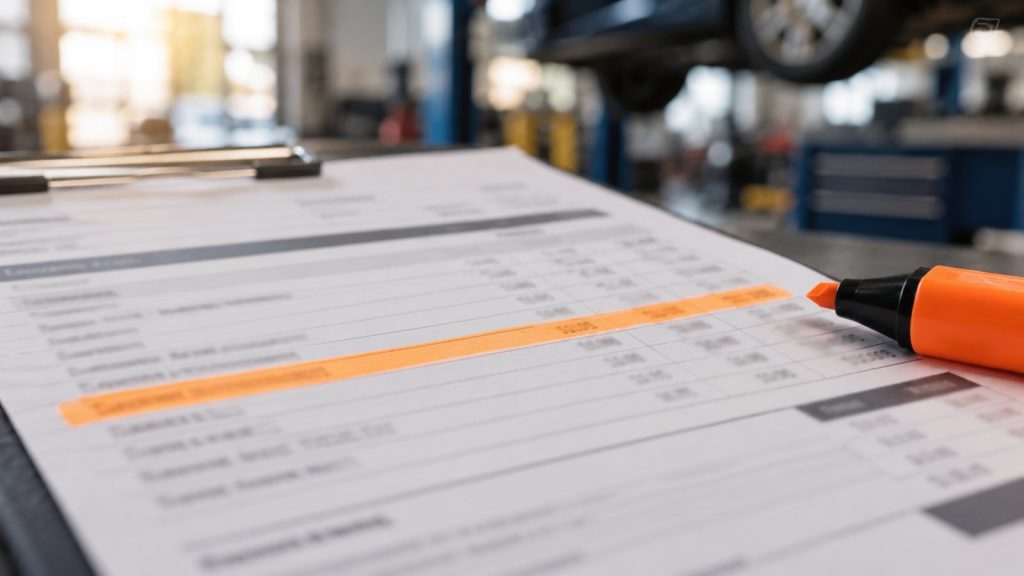
Illustrative image created with AI tools. Not a photo of a real shop or person.
Full transcript
0:00 That repair estimate looks like another language.
0:03 Here is how to read every line of it
0:05 so you know what you're paying for before you say yes.
0:08 Rule one, get it in writing.
0:11 In California, the Bureau of Automotive Repair
0:14 says you're entitled to a written estimate
0:16 before any work begins.
0:18 A number over the phone isn't enough.
0:20 If it isn't on paper, don't agree to it.
0:23 Line one, the description.
0:25 It should say what's being fixed
0:27 in words you understand.
0:29 Brake service is vague.
0:31 Replace front brake pads is specific.
0:34 If you don't understand a line, ask the shop to explain it.
0:38 Line two, parts.
0:40 The FTC says parts can be new, rebuilt, or salvaged.
0:44 So ask which kind is on your estimate
0:47 and whether the price reflects it.
0:49 Line three, labor.
0:51 The FTC explains two ways shops charge.
0:54 Flat rate.
0:55 A guide sets the hours for the job
0:57 and you pay that however long it really takes.
1:00 Actual time.
1:01 You pay for the time the technician truly spends.
1:05 Both are common.
1:06 Just ask which one your shop uses.
1:08 Line four, other fees.
1:10 Look for diagnostic charges
1:12 and anything labeled supplies or miscellaneous.
1:15 A scan fee is often waived if you do the repair there.
1:18 So ask.
1:19 And ask what any vague fee covers.
1:22 Before you sign, never sign a blank work order.
1:26 California's BAR says the shop needs your authorization
1:29 before doing extra work beyond the estimate.
1:32 If they call with something new,
1:33 ask what it adds to the cost before you decide.
1:37 Want to see the old parts?
1:38 Ask before the work starts.
1:40 The BAR says you can request them.
1:43 When the job is done,
1:44 your final invoice should list every part replaced
1:47 and show the labor cost.
1:48 So check it against what you approved.
1:50 Warranty.
1:51 The BAR's guide says shops aren't required by law
1:54 to guarantee their work, though many do.
1:57 So ask what yours offers, how long it lasts,
2:00 and get it in writing.
2:01 Rules vary by state, so check yours.
2:04 In California, complaints go to the Bureau
2:06 of Automotive Repair at bar.ca.gov.
2:10 Remember, get it in writing, understand every line,
2:14 and never sign a blank work order.
2:16 If this helped, subscribe to Car Care Decoded.
2:19 Next time, I'll explain which maintenance services
2:22 you actually need and which ones you can skip.
2:25 General information only.
2:27 Always have your own vehicle inspected
2:29 by a qualified technician.
Frequently asked questions
Do I have a right to a written repair estimate?
In California, yes. The Bureau of Automotive Repair says you are entitled to a written estimate before any work begins. Rules vary by state, so check yours.
What is the difference between flat-rate and actual-time labor?
With flat rate, a guide sets the hours for the job and you pay that however long it really takes. With actual time, you pay for the time the technician truly spends. Both are common, so ask which one your shop uses (per the FTC).
Can a shop do extra work that is not on my estimate?
In California, the shop needs your authorization before doing extra work beyond the estimate. If they call with something new, ask what it adds to the cost before you decide, and never sign a blank work order.
Sources

Get the next video when it’s out
Car repair, explained in plain language. New videos on the Car Care Decoded YouTube channel.
General information only. Always have your own vehicle inspected by a qualified technician.